
Content
With this growing trend, it’s important people prepare a comfortable work environment for themselves. Have staff complete safety surveys and virtual inspections of the home environment.
Keep key objects, such as your telephone, stapler or printed materials, close to your body to minimize reaching. Stand up to reach anything that can’t be comfortably reached while sitting. Sign up for free, and stay up to date on research advancements, health tips and current health topics, like COVID-19, plus expertise on managing health. Keep key objects — such as your telephone, stapler or printed materials — close to your body to minimize reaching. One effective way to make mindfulness a habit is to set the alarm once every hour for you to check-in with your body. When working at a desk, the legs should be placed comfortably below the desk.
Where To Start: Virtual Ergonomic Assessments
Thanks to its portability, laptops are a popular computing option. The main problem with a laptop is that the screen and the keyboard are connected, making true ergonomic placement of the laptop keyboard and screen impossible.
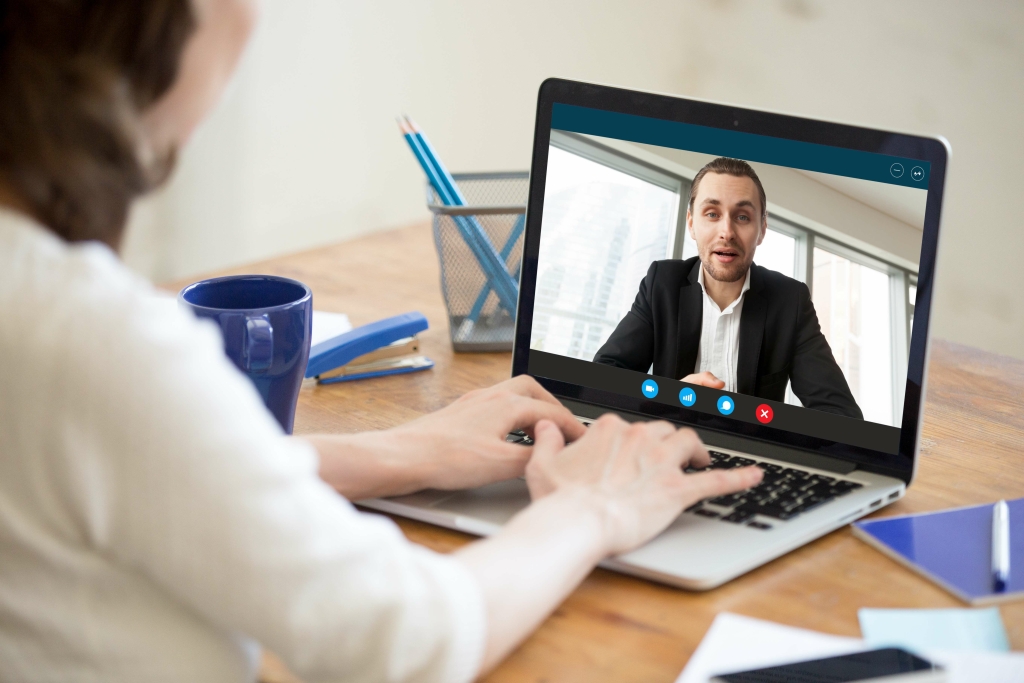
There are times when it is necessary to work remotely or from home. Whether your home setup is ideal or not, there are some steps you can take to avoid discomfort and ergonomic injury. The best position for the monitor is to place it in front of your eyes at arm’s length. Make sure that the top of the screen is just below eye level. Prior to the widespread pandemic, an increasing number of people had already been saying goodbye to feeling stressed – doing an exhausting daily commute to work. It comes as individual workers and businesses saw remote working’s potential. Companies have seen there has been an increase of productivity of as much as 77%.
Safety leaders will need to look for versatile solutions that can scale flexibly to address ergonomic risk across a wide range of applications and scenarios. Remote work has revealed a host of benefits for employers, including lower overhead costs and, in some cases, happier employees. It has been happening for years, but is now being embedded into other functions more traditionally done in a central location. A few months into 2021, it seems that we’re approaching a turning point in the COVID-19 pandemic that may see more of the country relaxing public health guidelines. As a result, employers are reevaluating their work policies and finding that a return to complete pre-pandemic normalcy is unlikely, and maybe even undesirable.
Why Ergonomics Matter
To ensure you’ve got the right keyboard height, place the keyboard on your work surface then try to type a few lines. As you type, your wrists should remain straight, and your upper arms should stay close to your body, without you forcing it. No matter what you choose as your “desk,” your keyboard and mouse should be at elbow height when you are seated. Sit at the desk, hold your arms naturally and comfortably at your sides, then bend your elbows.
- Avoid using excessive force and try to identify strategies that can lighten any loads you need to move.
- When ergonomics information is effectively utilized, it can help achieve productivity and health goals.
- Whether seated or standing, make sure the computer keyboard and mouse are at the elbow level.
- With so many impacts to workers today, it is important for employers to adopt a more holistic approach to their workforce’s overall health and wellbeing.
The top of the screen should be at or slightly below eye level. If you wear bifocals, lower the monitor an additional 1 to 2 inches for more comfortable viewing. Place your monitor so that the brightest light source is to the side. Give your sitting work area a makeover with this visual guide to office ergonomics. An ergonomic mouse helps the hand to assume a more natural position, something like a handshake. This prevents the wrist from being pressed on the hard surface for long hours, thus reducing wrist injuries. While you work you may need to perform tasks that require you to hold the same position for an extended period of time, this is known as static load.
Thus, for a nomadic worker, the solutions to the above problems must be as portable and as lightweight as possible. Whether seated or standing, make sure the computer keyboard and mouse are at the elbow level. The top of the computer monitor should be at or slightly below eye height. With more people working remote, home office ergonomics is taking on a new level of importance. Yet creating a space with ergonomically correct, comfortable furnishings can prove challenging.
Employees also need to know that their managers and workplaces can support them if their personal struggles are impacting their productivity. Showing empathy and taking the time to understand each individual’s unique set of circumstances are critical to taking a proactive, whole-person approach to improving behavioral health and disability management. Employers should err on the side of over-communication in terms of making benefits and resources available to their workforce. Employers are facing a number of leadership challenges regarding today’s changing workforce. With more Americans working remotely, the pandemic has redefined the workplace and worker expectations. It has also highlighted physical and mental health considerations that deserve continued attention from employers as the pandemic eases and fully or partial remote work models become more prevalent.
Free Ergonomic Evaluations
If possible, set up a distinct work area in a spare bedroom or other space that you can dedicate to your work-related activities. Not everyone will have extra space at home to accomplish this—seek creative solutions such as a work table in the corner of a bedroom or living room.
Position your laptop and/or monitors at a 90-degree angle from any windows. Ensure that the work area is adequately lit with room and/or task lamp lighting. Those who must work off a laptop directly should take more frequent periodic microbreaks to avoid prolonged typing on the small laptop keyboard. The work surface height should be at or slightly below elbow height, to allow for relaxed shoulders and arms while typing and mousing. In order to minimize external noise, use a headphone with a microphone for teleconference calls or to reduce outside noise while working.
Ergonomics And Remote Worker Behavioral Health
It’s uncomfortable for a few days, but after some rest, ice, compression, and elevation , you’re back on your cheery yoga mat. The above are all accessories you can buy to soup-up your portable workspace, but there are other things you can do to stay healthy. Participating regularly in physical activity, such as yoga, abdominal workouts, or a stretching routine, goes a long way towards keeping you strong and preventing chronic pain. For those of you with nomadic inclinations, there are a number of things you can do to avoid future back pain, repetitive strain injuries , and neck issues. Because he knows that in a matter of 5 to 10 years, his practice will be full of remote workers and digital nomads. Employers should be prepared for a future where mixed remote and on-site work is commonplace.
That’s not much, but it is slightly better than sitting and typing, which burns 80 calories an hour. An office chair may have a back with lower back support that encourages your spine’s natural curves. To achieve a https://remotemode.net/ neutral spine, try a rolled-up towel or small pillow in the small of your back. The problem is that once you’ve adjusted your chair to the right height, your arms may not be at the right height for the keyboard.

It’s easy to snack throughout the day instead of eating like you did in the office. Making a meal and staying hydrated gives you the opportunity to stand up, walk around, and let your eyes have a rest from the computer screen. In an effort to stem the number of coronavirus infections, millions of Americans are now working from home, transforming kitchen tables and bedrooms into temporary home offices. Many are working under less-than-ideal ergonomic conditions—a kitchen chair that’s too low, a table that’s too high. Poor ergonomics can make or break your work-from-home experience. To keep shoulders relaxed and wrists straight, place the keyboard and mouse just above the thighs. Keep the mouse as close to the keyboard as possible to avoid awkward shoulder movements… keep the most frequently used items in midline for neutral positioning.
Ergonomics Program
Additionally, there is evidence that remote workers are logging many of overtime as home is now work and the compulsion to be always available and responsive is growing. According to Entrepreneur.com, Recent data shows that remote workers are likely to clock an additional 60 hours a month as a result of COVID-19. While that future is far off, there are some great companies, like the Hubud coworking space in Bali (previously Hacker Paradise’s home base for a month), which are creating healthy workspaces. One of the best parts of working out of their space was the abundance of desks for standing work, and the laptop stands readily available for anyone to use. As a co-founder and organizer of Hacker Paradise, I’ve worked from a number of these non-traditional spaces around the world, and have witnessed the work set-ups of many digital nomads.
The current global situation of the COVID pandemic has forced millions to work from home. When an individual is remotely working, the environment is not the same as that of the actual workstation to maintain the ideal posture while working and follow all the ergonomic advices. Many of them work at home on laptops from makeshift workstations, often at the kitchen tables or on the sofas. While remotely working may help to protect IT professionals from the situation, it is also leading to unexpected consequences.
More specifically, ergonomics emphasizes on fitting the job according to an individual rather than physically forcing his/her body to fit the job. The goal of ergonomics is to provide an effective match between the user and the workstation in order to promote productivity, health, safety, comfort, and ease of use. Health and safety are maintained by following ergonomics and this enhances working efficiency, comfort, and easiness to work.
Ergonomic Principles & Office Ergonomics Tips
Ergonomics is about fitting the tasks being performed to the capabilities of the human performing them. To this end, key ergonomic concepts can be summed up with one word ‘N-E-W’. Remembering this acronym will help people working at an office or home maintain productivity and more importantly, reduce injury risk.
The 10 principles of ergonomics provide a method for knowing what to look for in finding smarter and healthier ways to work. Cake Insure is the premier workers’ comp choice for Colorado small businesses. With our quick online application, you can get a free policy quote in 90 seconds and coverage in just five minutes. Staying stationary all day is one of the worst things you could do to your body. It’s unnatural to remain seated and in front of a screen 24/7, so it’s important to move around a bit during the work day.
Your employees are one of the most important parts of your business. So, going the extra mile to ensure their safety and well-being will always be smart business. Create a home workspace that supports productivity and comfort to more easily focus on your job’s tasks and fight the urge to lounge. For many organizations, ergonomics is considered an employee safety issue.
Under theOccupational Health and Safety legislation, it is the employer’s general duty to take all reasonable precautions for the health and safety of employees. This allows you to keep your eyes in a neutral position and prevents eye fatigue.
Community Wellness @ Mit Medical: Live Better In Your Body At
Improper workstation design and incorrect postures are the major risk factors for many musculoskeletal injuries. As Colorado State University employees who are able to prepare to work remotely, many of us likely do not have the same workstation setup at home that is available in our typical offices. A computer workstation at home may surround a laptop computer on a couch, bed, or kitchen table. As comfortable as some options may sound, using an improper workstation setup for an extended duration can cause awkward posture which can increase the risk for ergonomic related injuries .
Getting ergonomic equipment may cost a few extra dollars now but they help prevent physical injuries in the future. You can also make use of the alarm to introduce some light stretches. For example, make a big circle with your nose, or roll your shoulders and wrists.
Your eyes should naturally hit the top third of your screen when you look straight ahead. Never before has there been more awareness and discussion of behavioral health issues in the workplace, and yet mental health struggles in Remote Work Ergonomics Tips to Use workers persist. According to a study conducted by Versta Research on behalf of The Standard, nearly half (46%) of full-time workers in the United States are suffering from mental health issues, up from 39% before the pandemic.
Your wrists are essential to computer work, so protect them from strain by ensuring they remain in a neutral position, away from sharp or hard edges. Position your keyboard, monitor, and mouse so that your wrists, arms, and neck are relaxed, and make sure the mouse is at the same height and distance from the screen as the keyboard. If you’re using a laptop computer, use a separate keyboard, mouse, and monitor as much as possible. Appropriate monitor placement decreases glare and exposure to strenuous exertions and difficult postures, such as the forward head posture. Excessive fatigue, eye strain, and neck and back pain are all reduced as a result of this.


